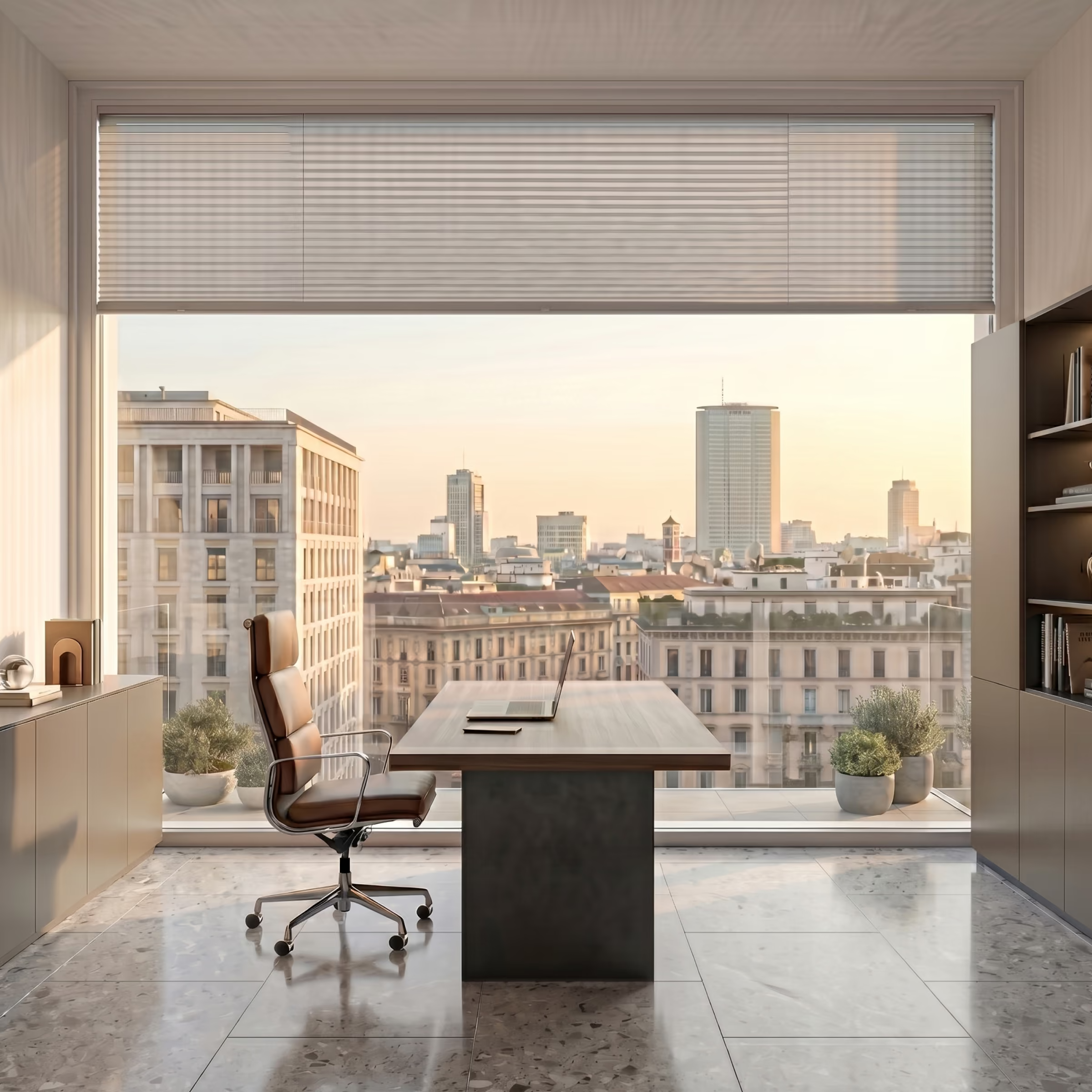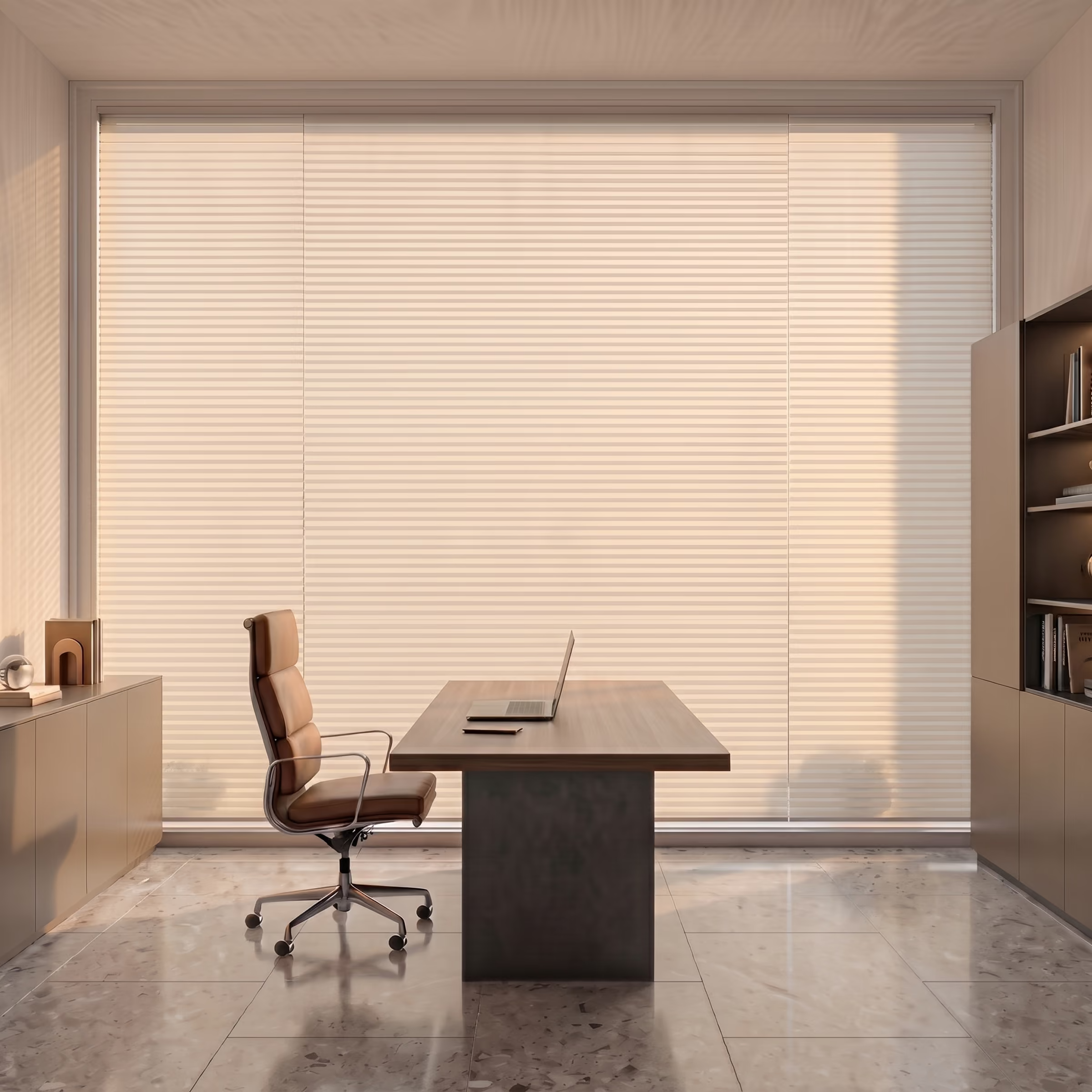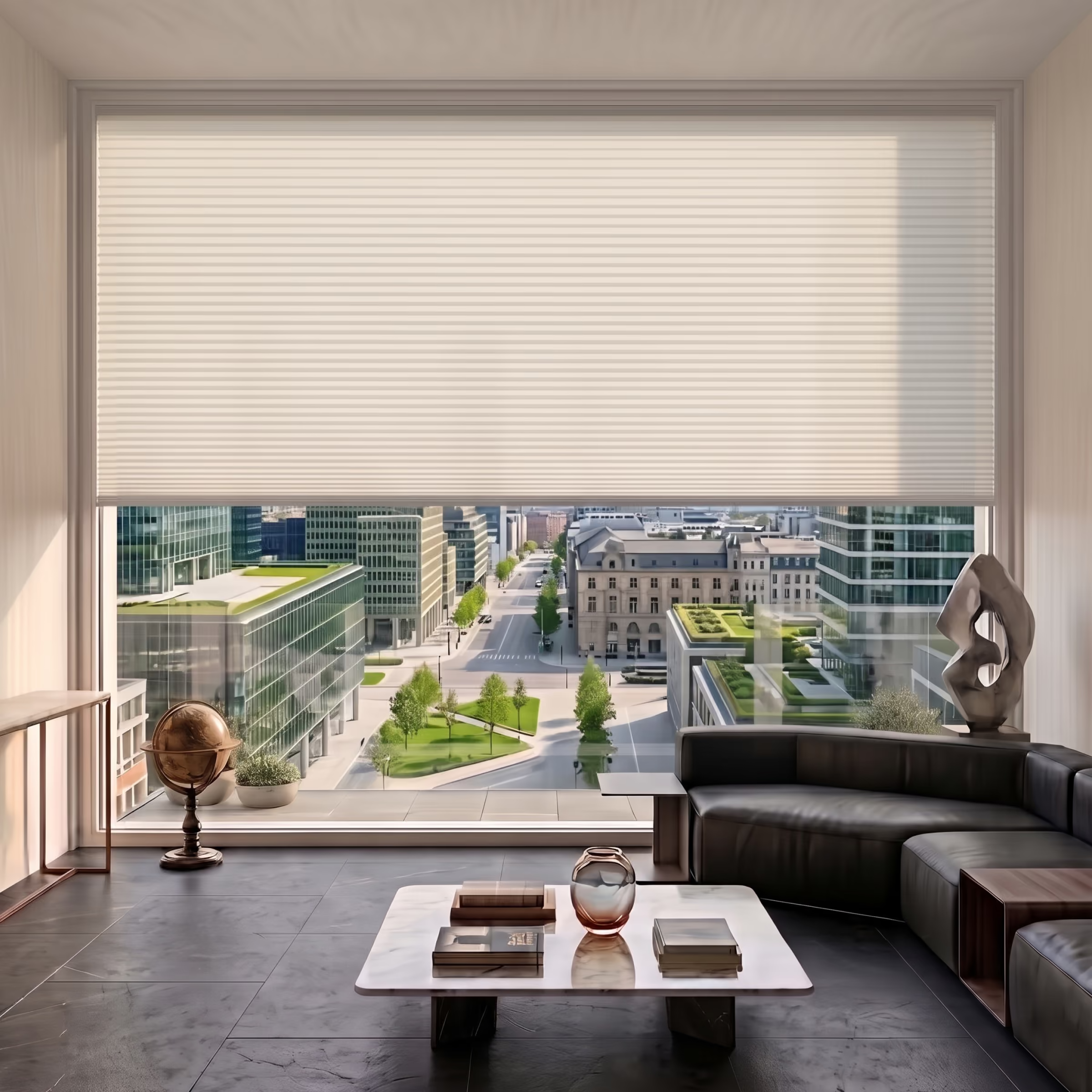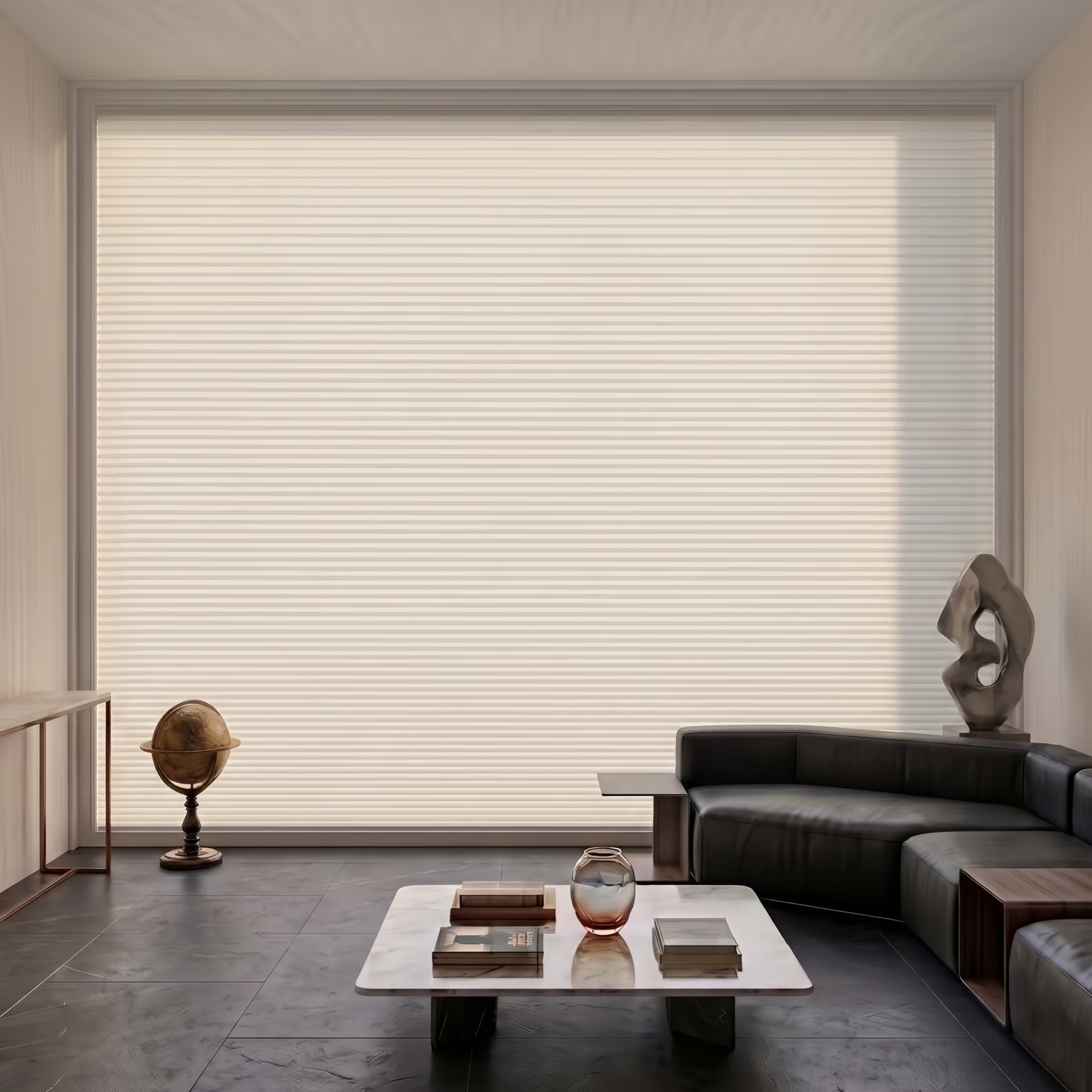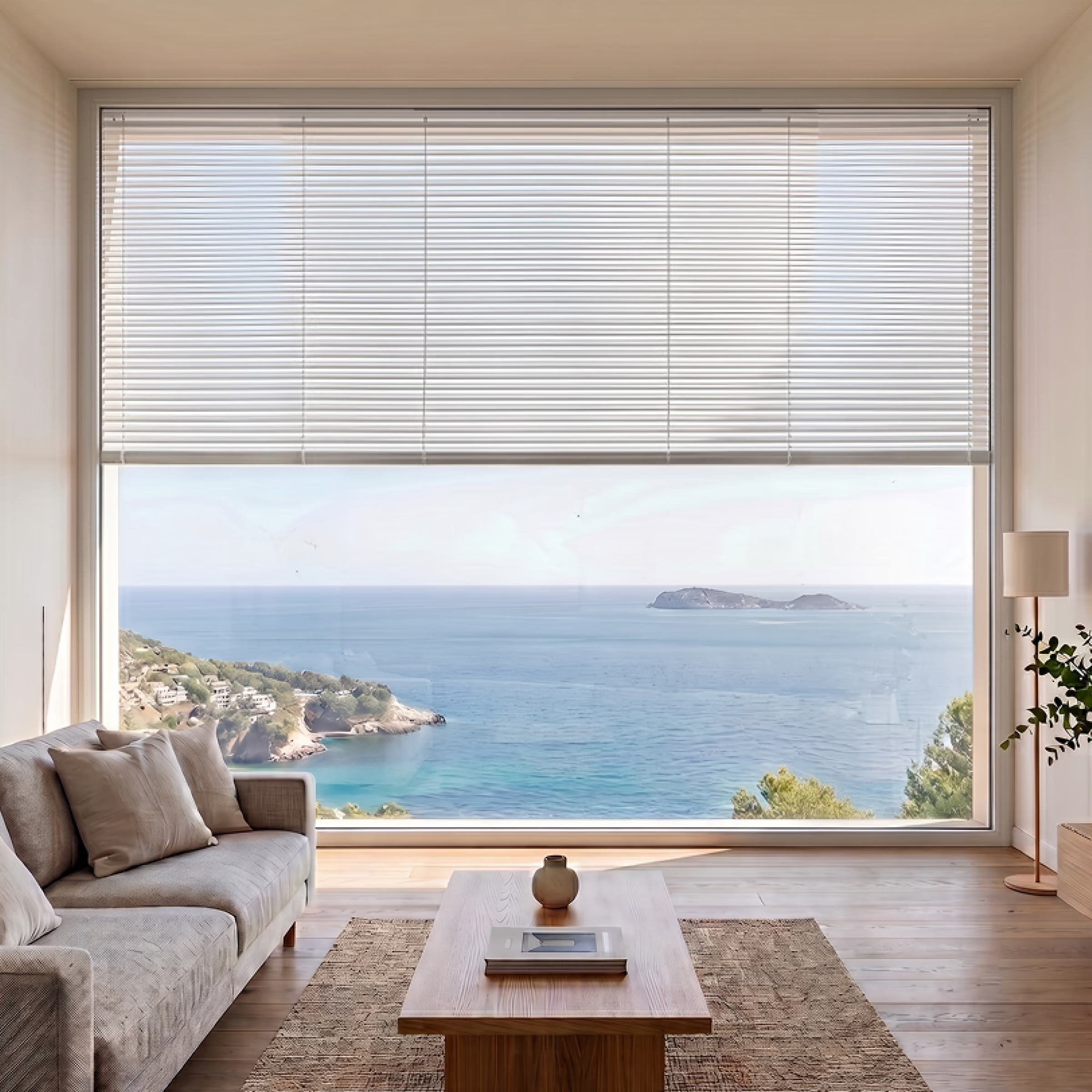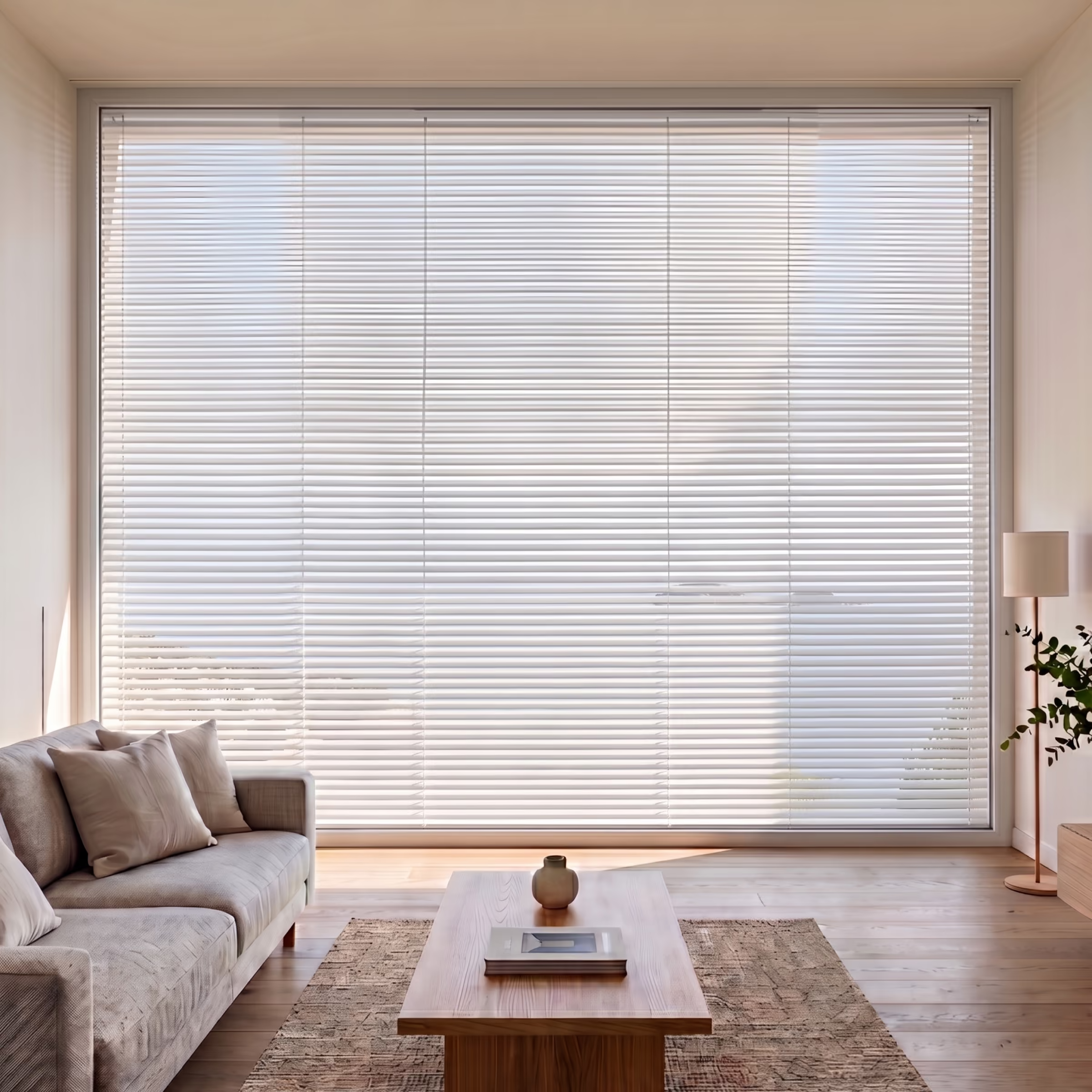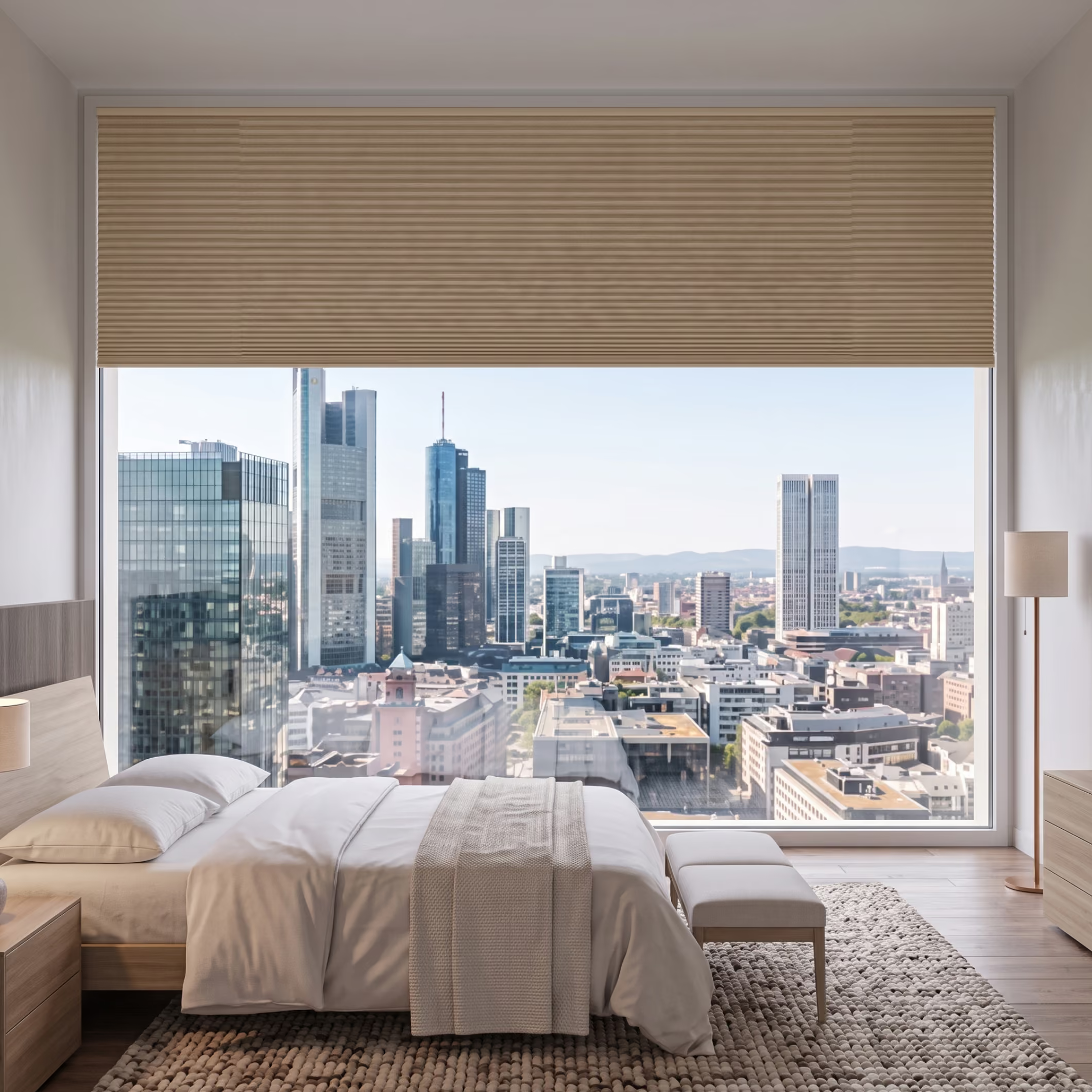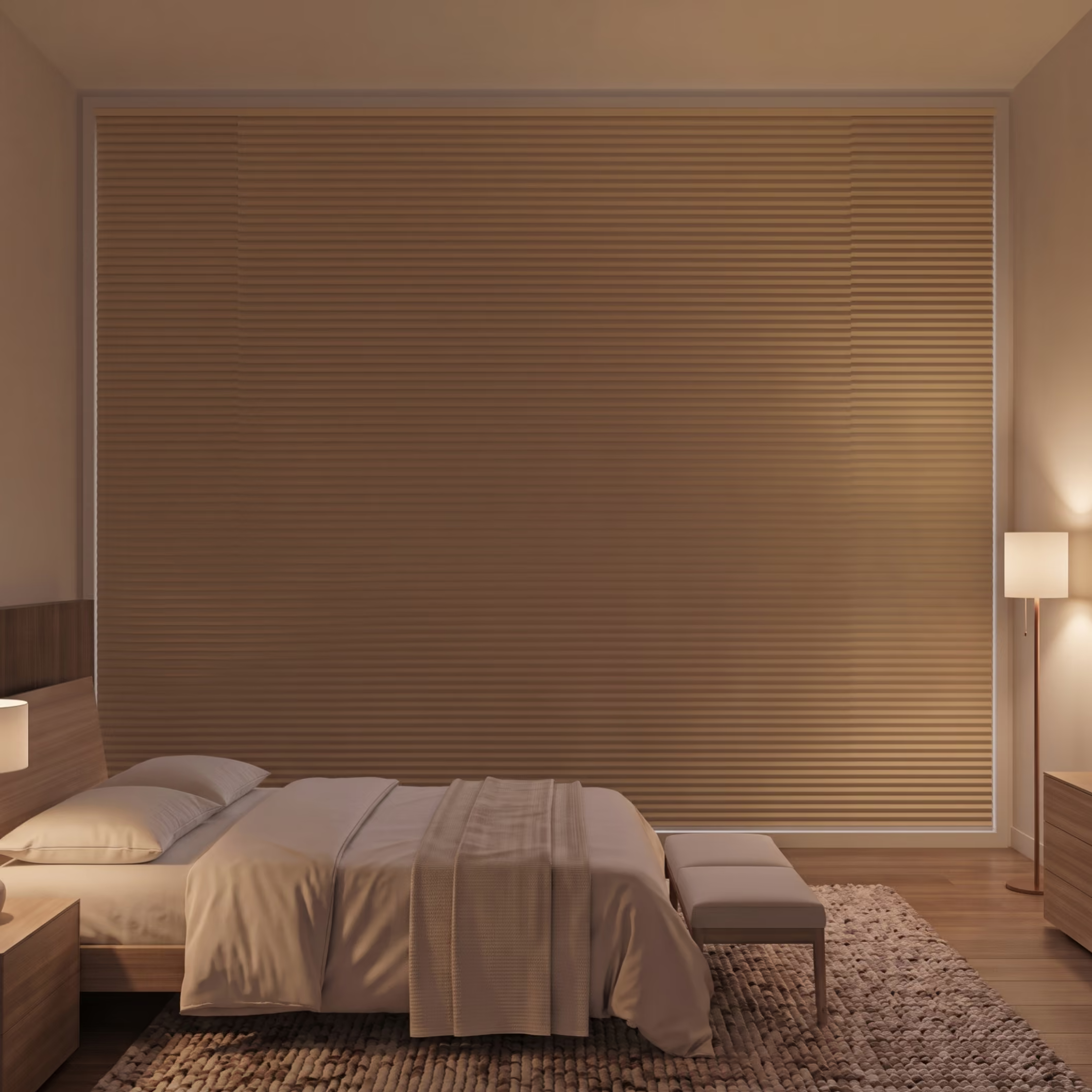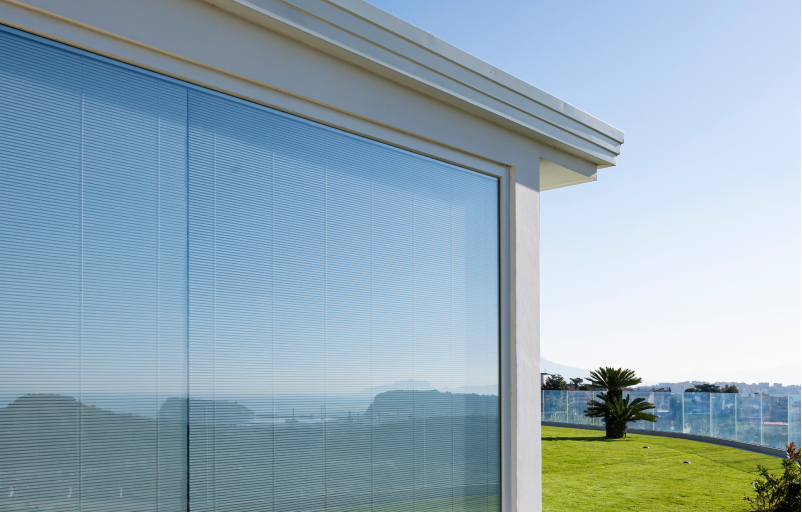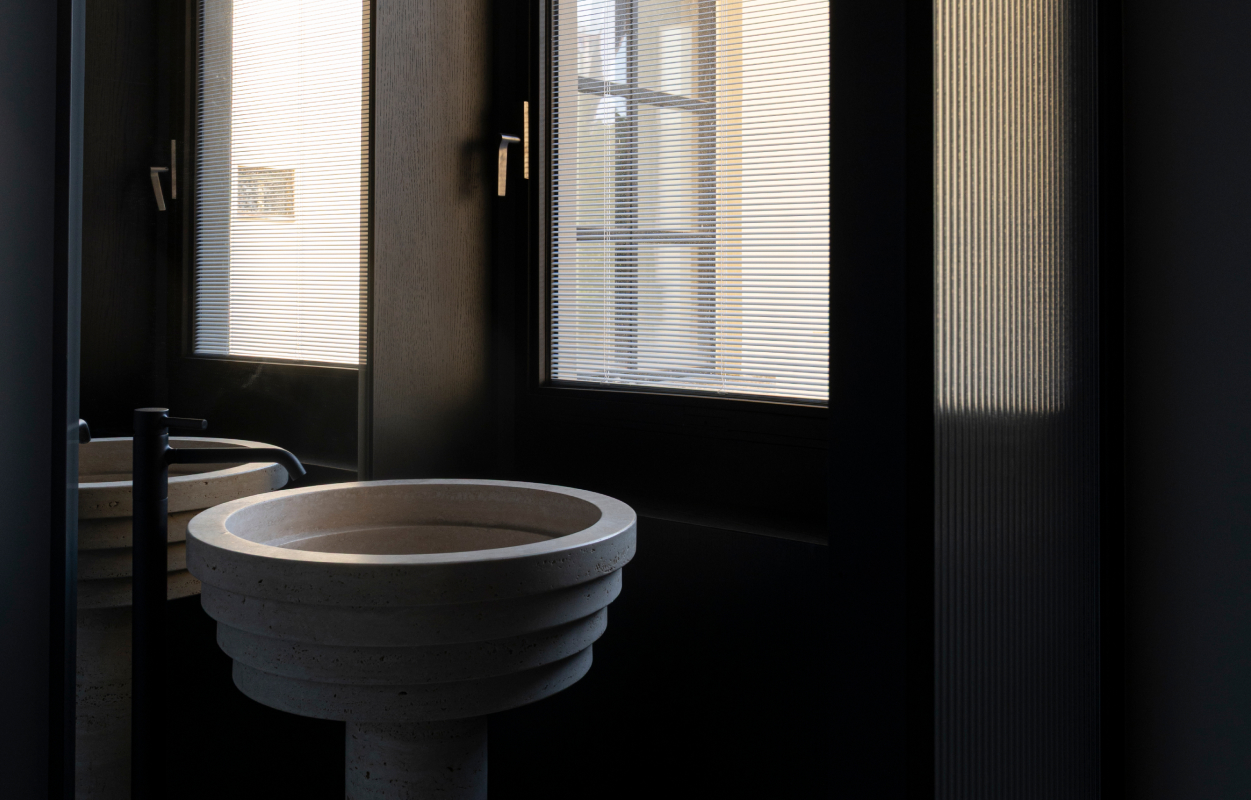
Of all the rooms in the home, the bathroom has undergone the most profound transformation in recent years: from a purely functional space to a true oasis of domestic well-being. This evolution requires a tailored approach to managing natural light.
In the bathroom, light must satisfy seemingly opposing needs: ensuring maximum privacy without sacrificing natural illumination, offering a relaxing atmosphere, and adapting to the different times of day.
Here are our reflections on how to design the perfect lighting for the bathroom.
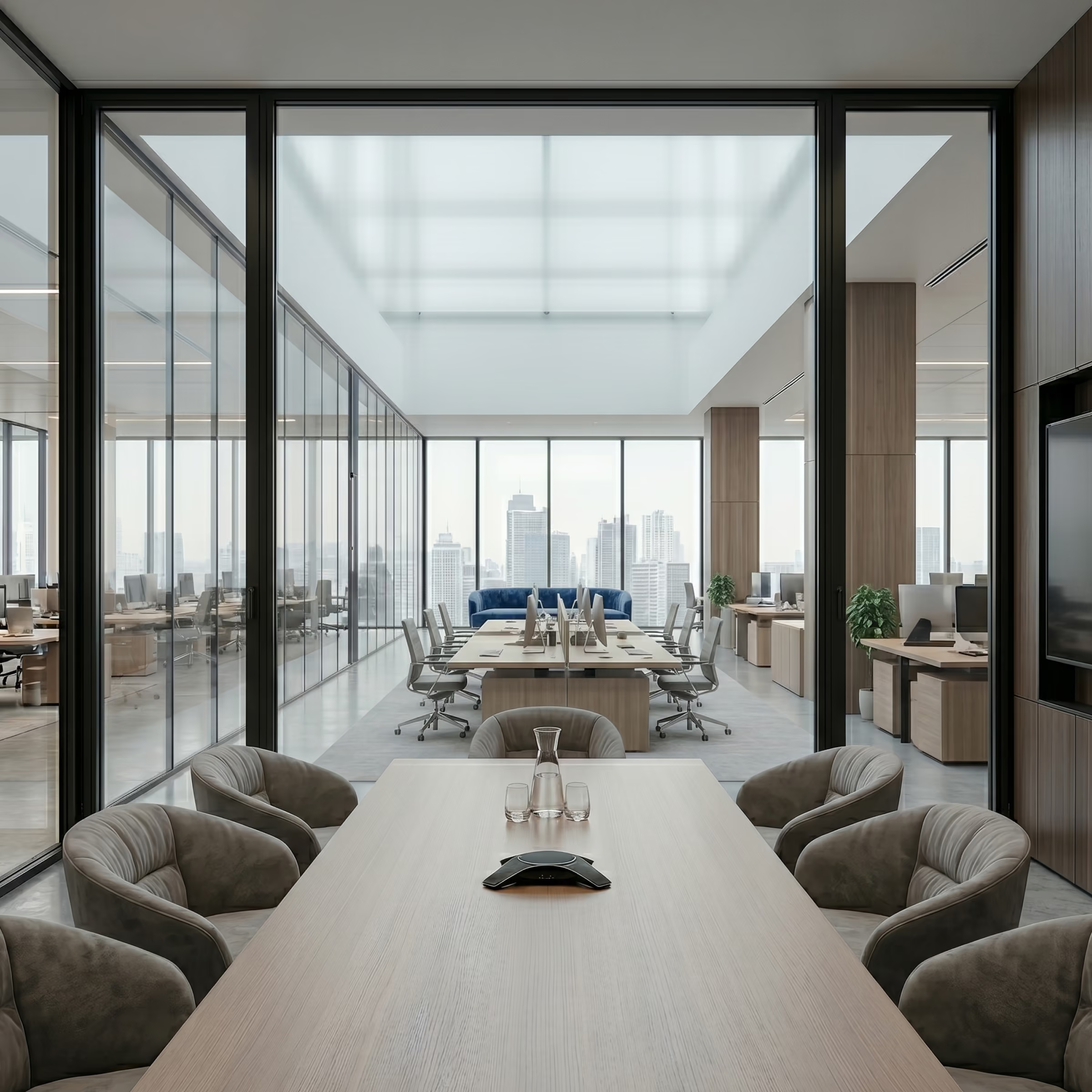
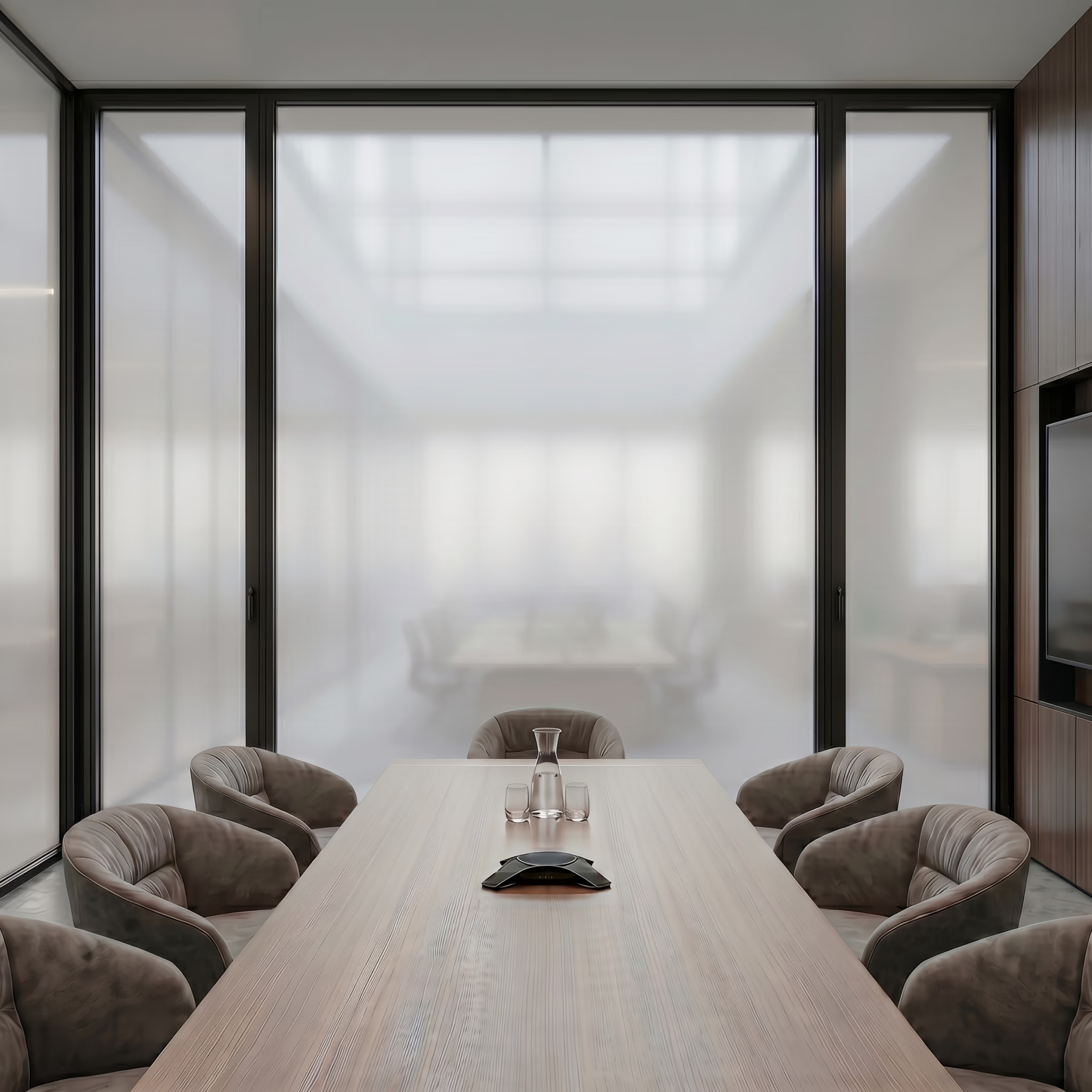
The primary necessity in a bathroom is to protect intimacy. For years, the standard solution was the use of patterned or frosted glass, or the addition of external fabric curtains. However, these are compromises: opaque glass deprives the space of an outside view even when privacy isn't needed, while traditional fabrics suffer from humidity and require constant maintenance.
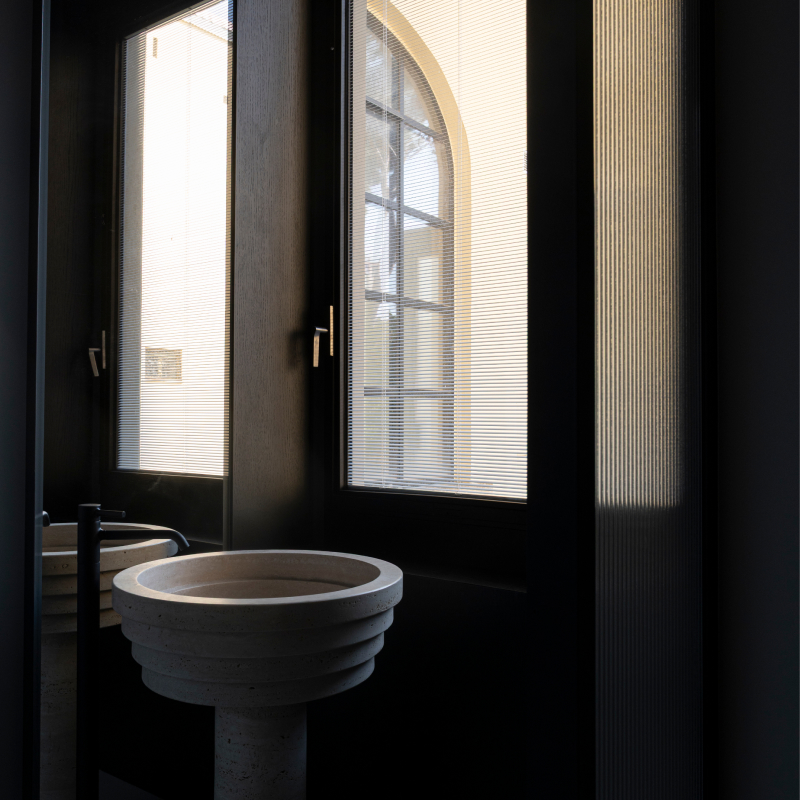
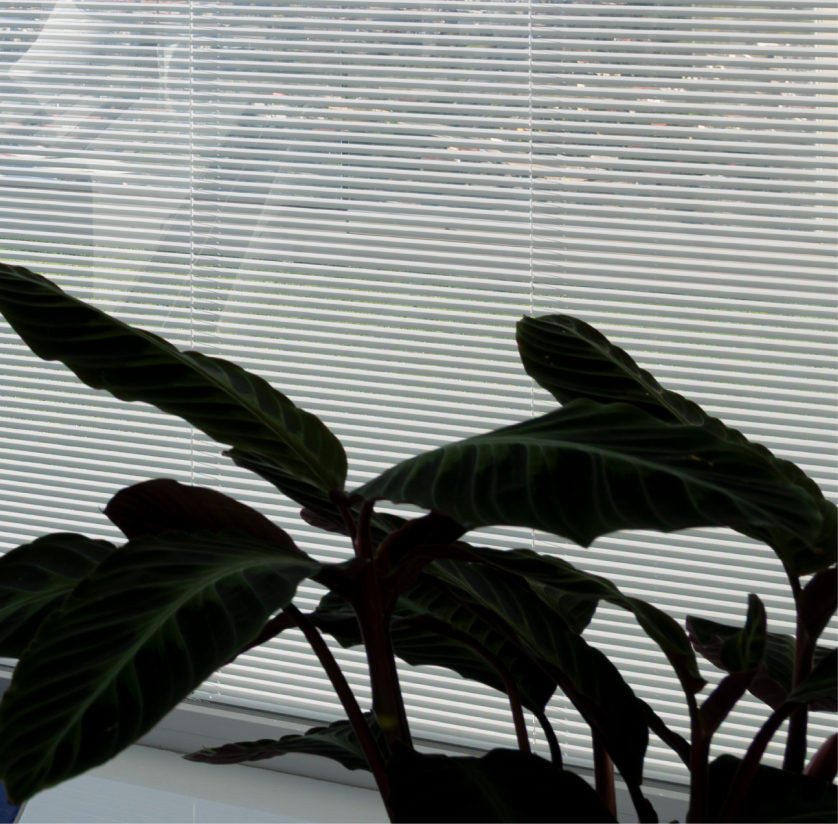
Integrating solar shading within the insulating glass unit solves the equation at its root:
The contemporary bathroom is made of texture: matte marble, resins, treated woods, and fixtures with tactile finishes. Direct sunlight can create annoying glare and harsh reflections on mirrors and water surfaces.
Daily routines require different lighting scenarios. In the morning, you need clear, functional light to get ready; in the evening, you seek a soft atmosphere to unwind.
Integrating smart control systems (via app, remote control, or home automation) allows you to adjust the shading effortlessly, setting the ideal scenarios to match the biological rhythms of those who live in the home.
Designing a bathroom window means orchestrating the boundary between the outside world and your own personal sanctuary. Integrating blinds within the double glazing allows architects to eliminate the technical constraints of humidity, providing the end user with precise, long-lasting control over their visual comfort.