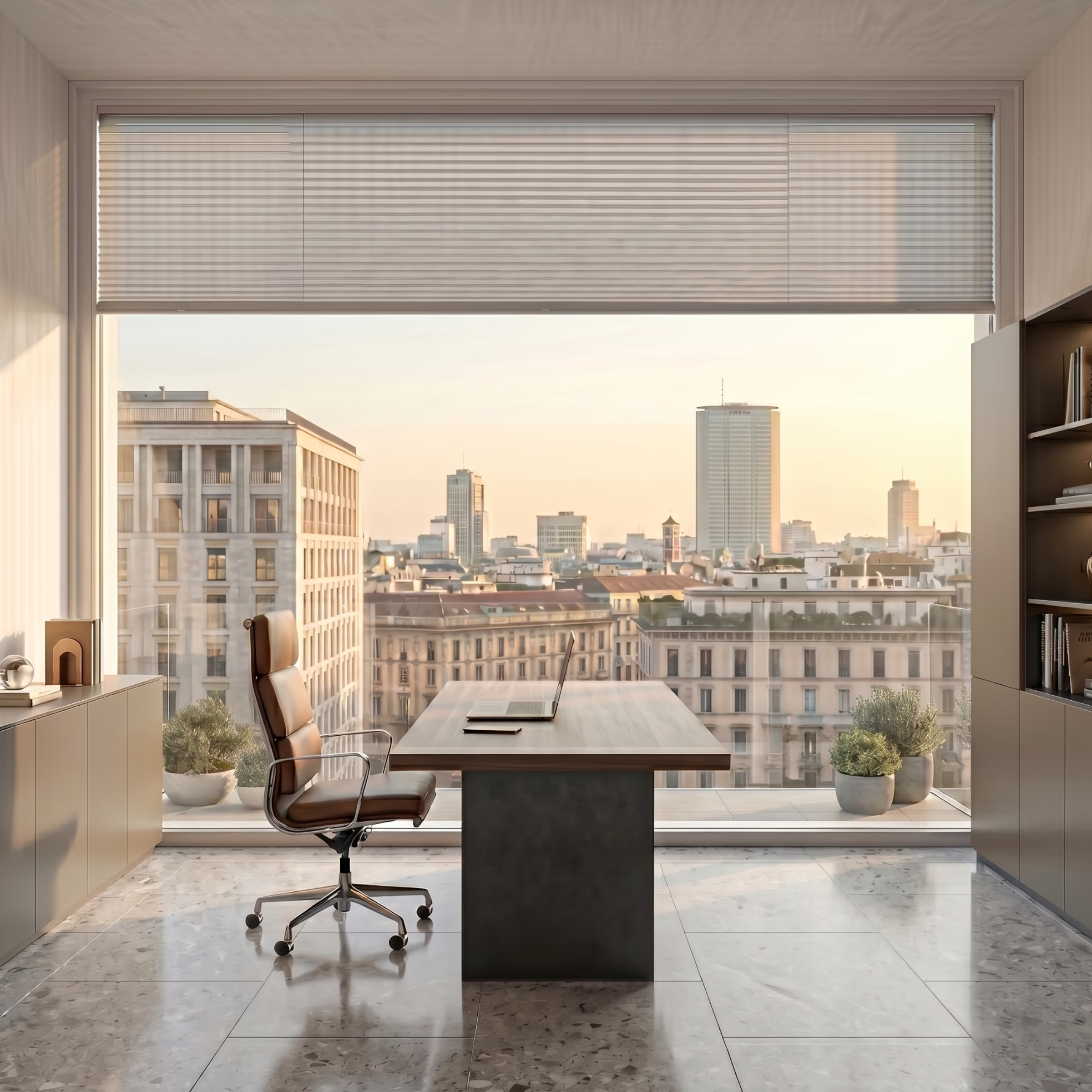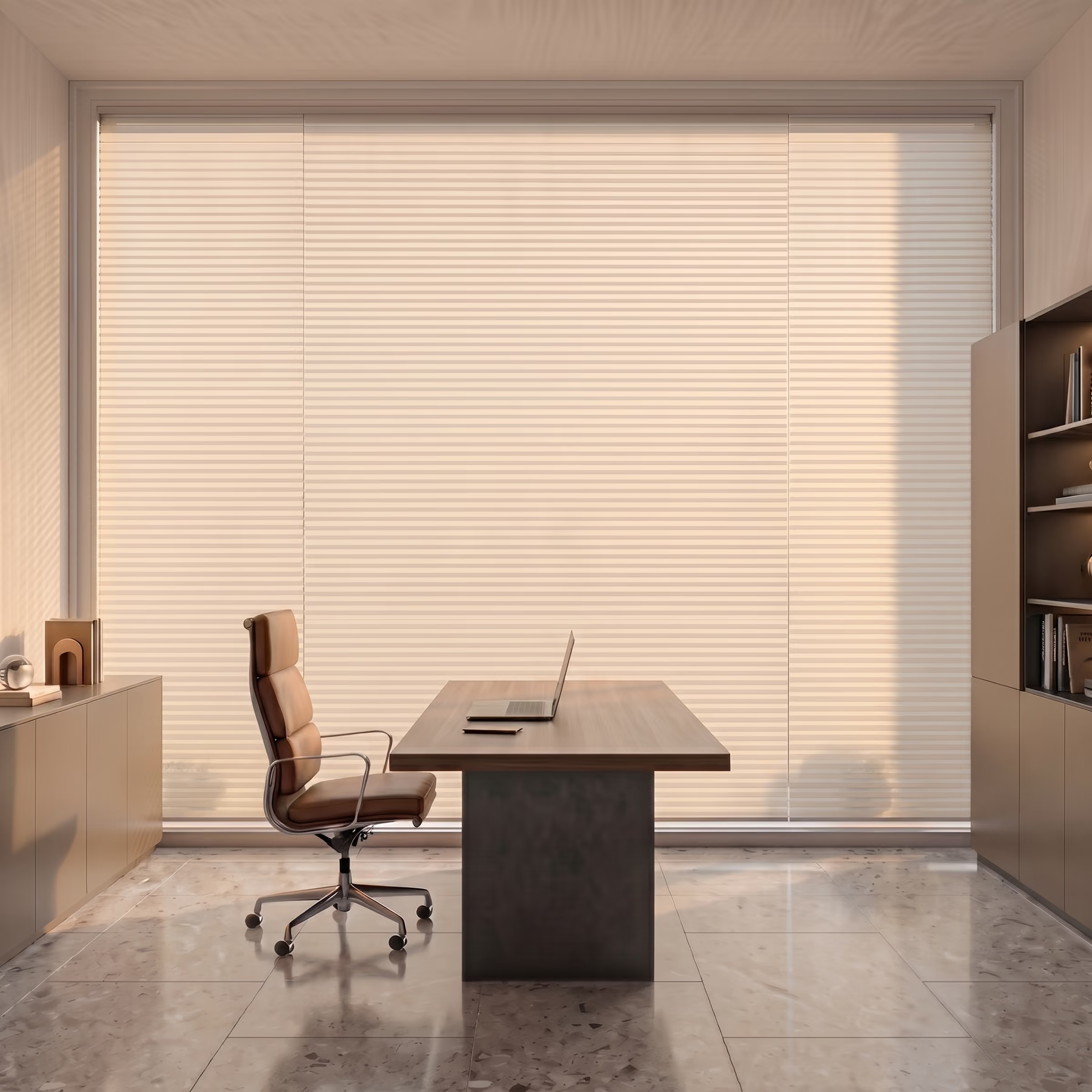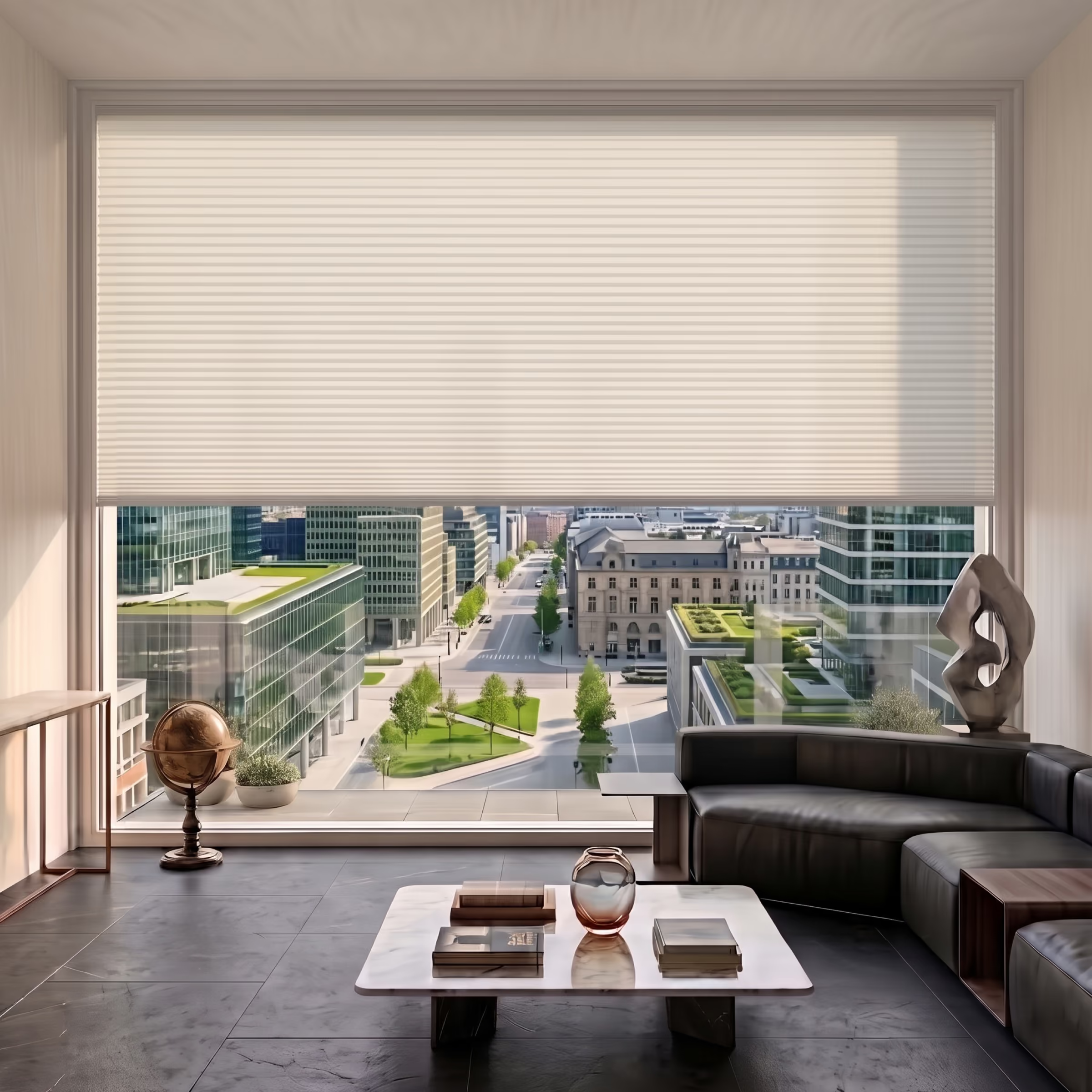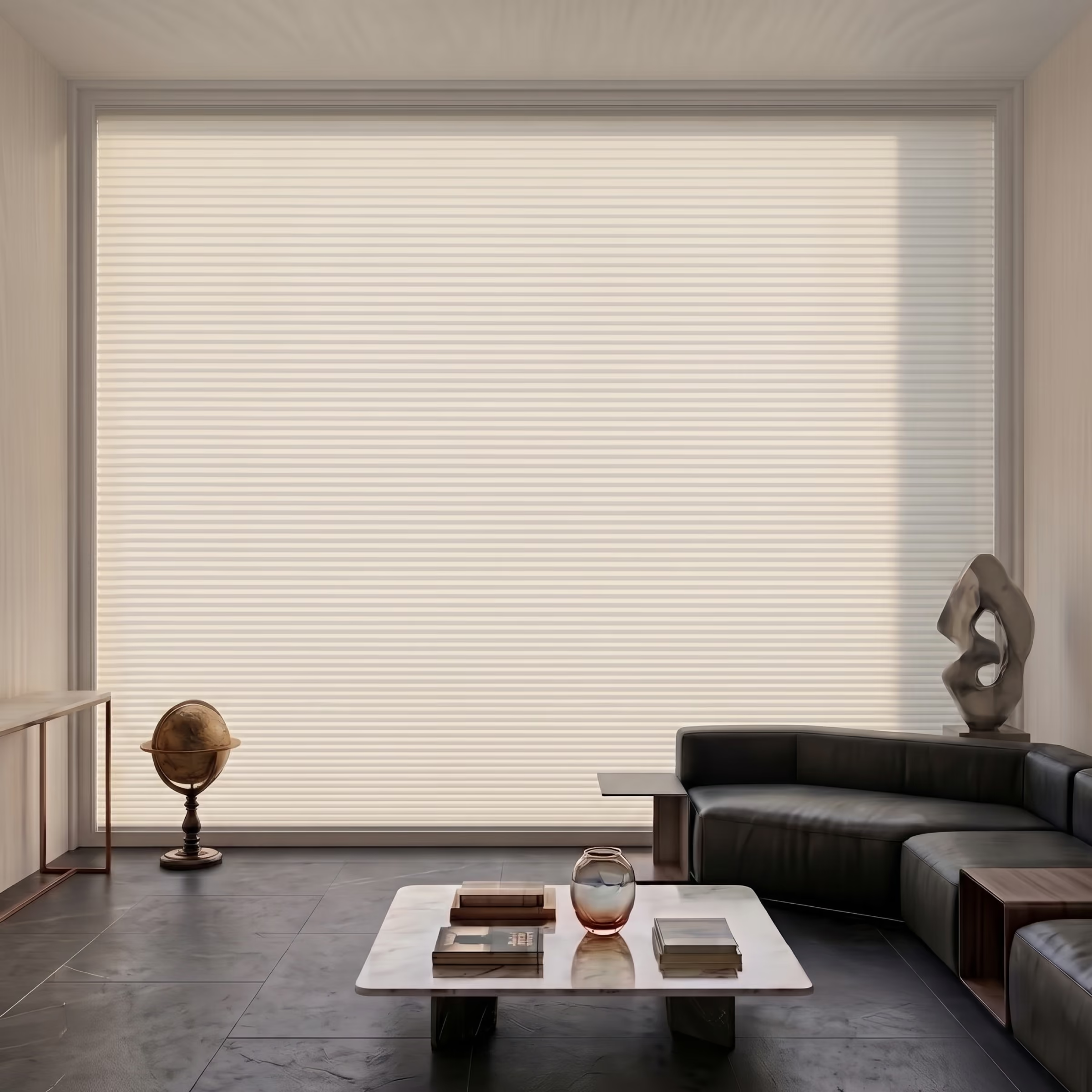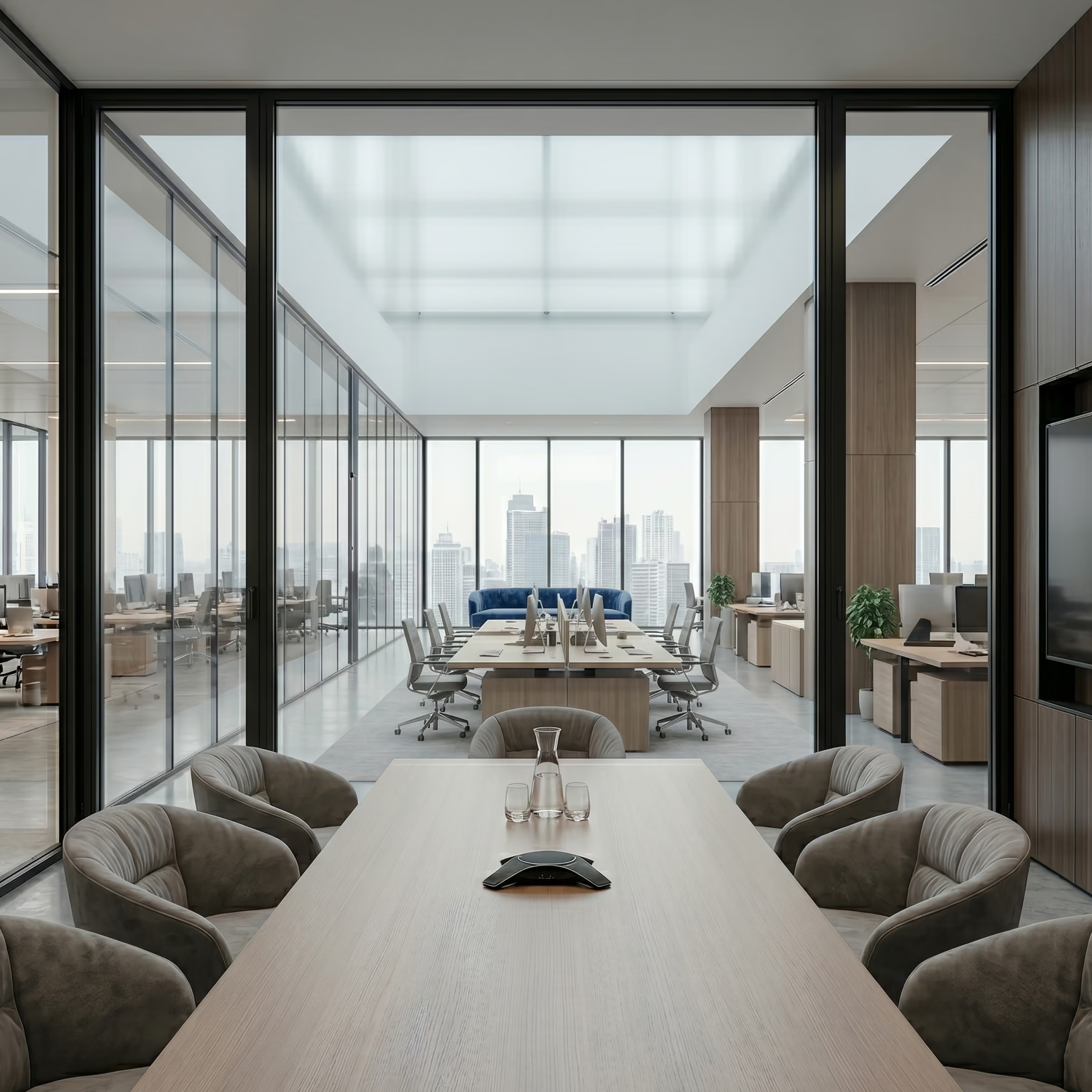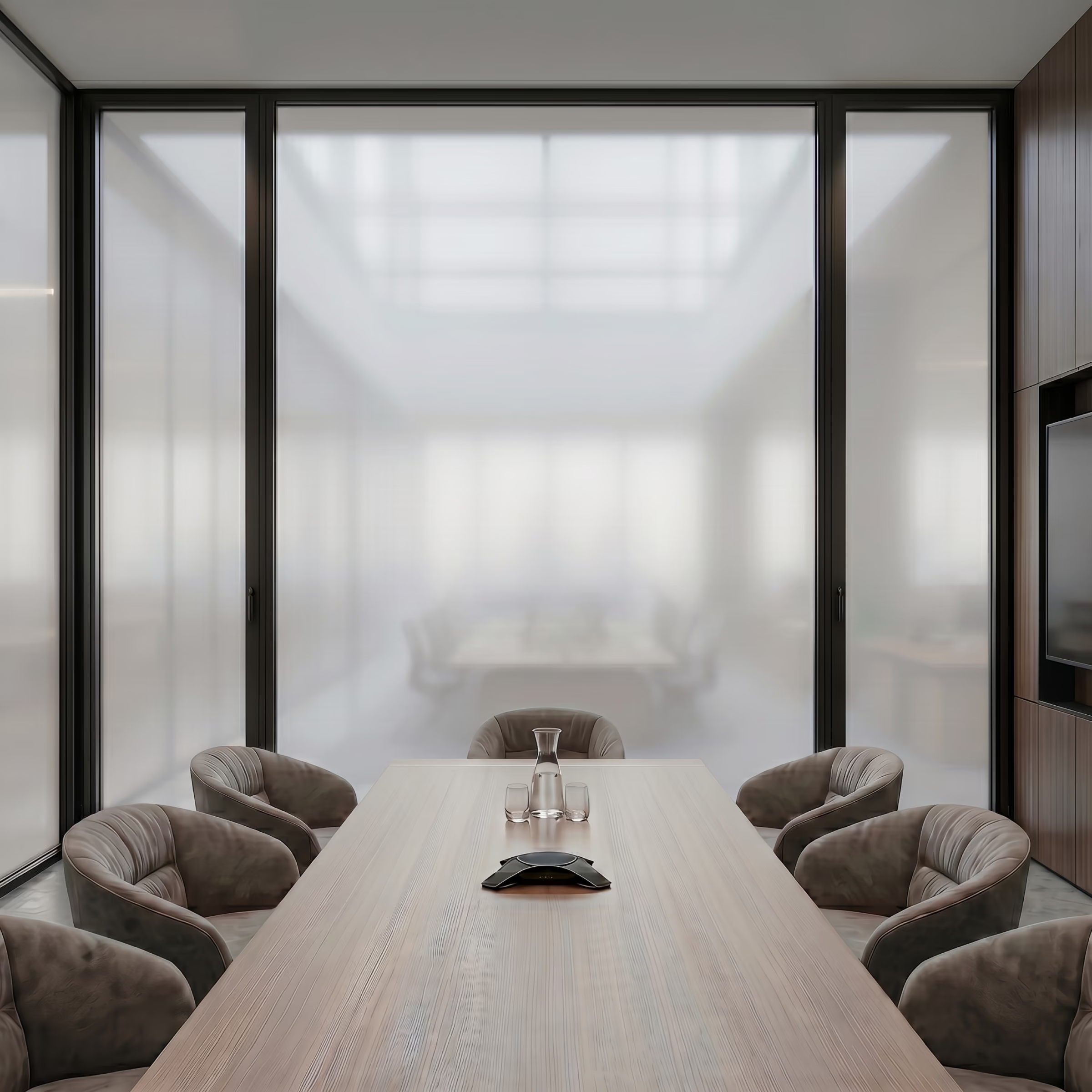
Having a window that overlooks a garden or a natural landscape is one of the greatest assets of contemporary architecture. However, managing these large glass surfaces hides a paradox: how can you protect your home from heat and prying eyes without sacrificing the beauty of the outdoors?
When greenery becomes part of interior design, solar shading within the insulating glass unit plays the key role of a dynamic filter. Here are 10 aspects to carefully evaluate during the design phase.
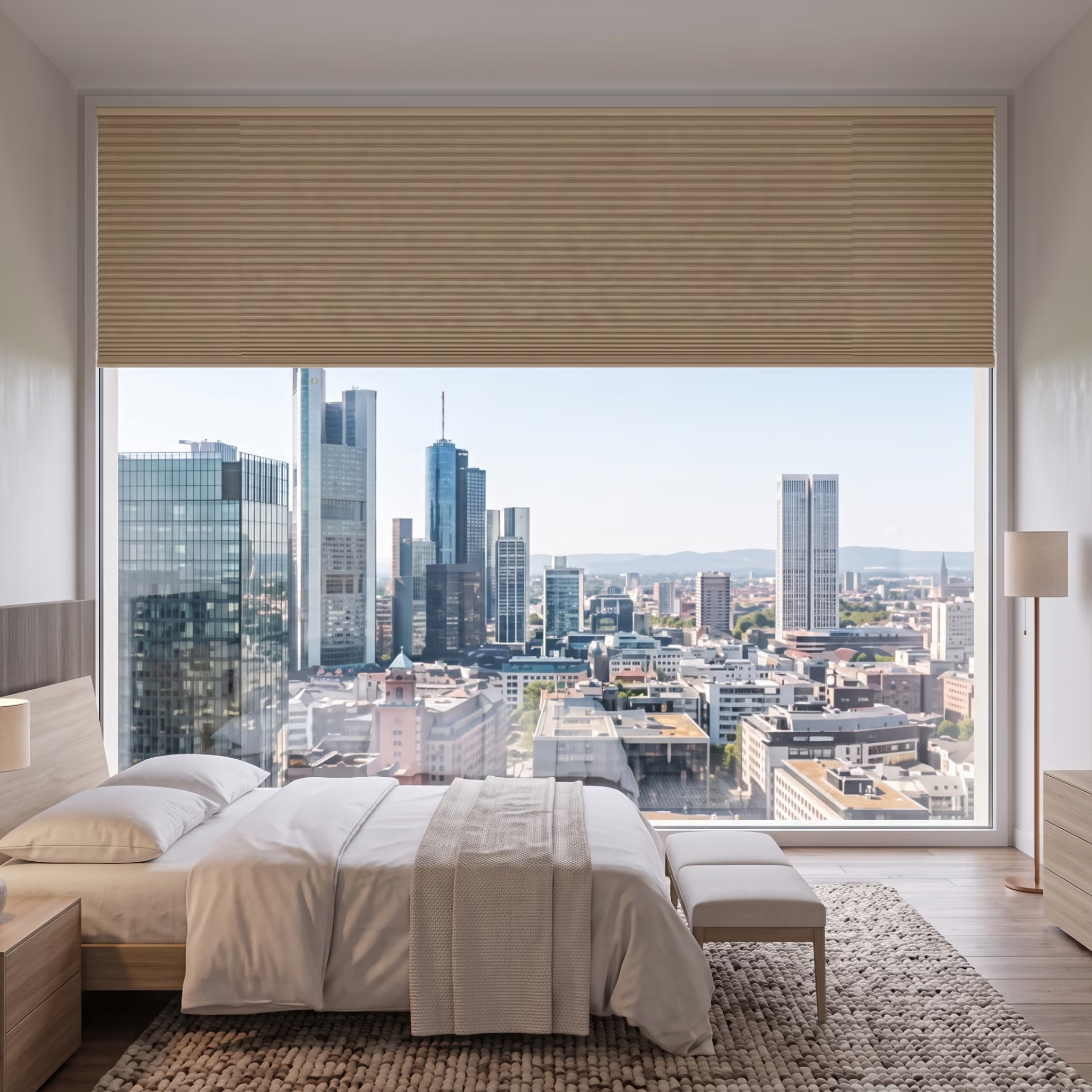
If your primary goal is to never lose visual contact with nature, a filtering fabric blind is the ideal choice. Its weave reduces glare and heat while maintaining the perception of shapes, colors, and tree canopies outside, creating a sense of visual continuity between inside and out.
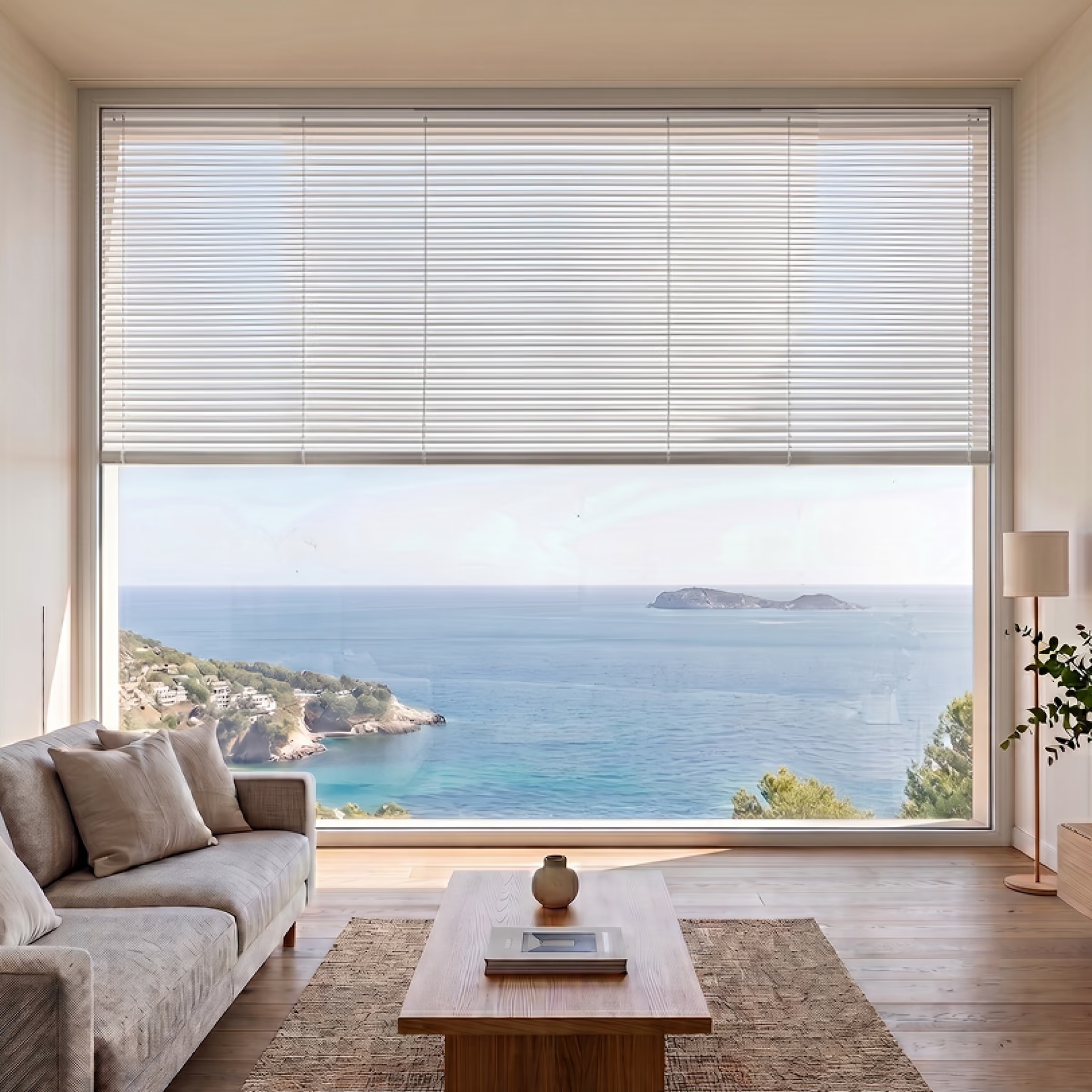
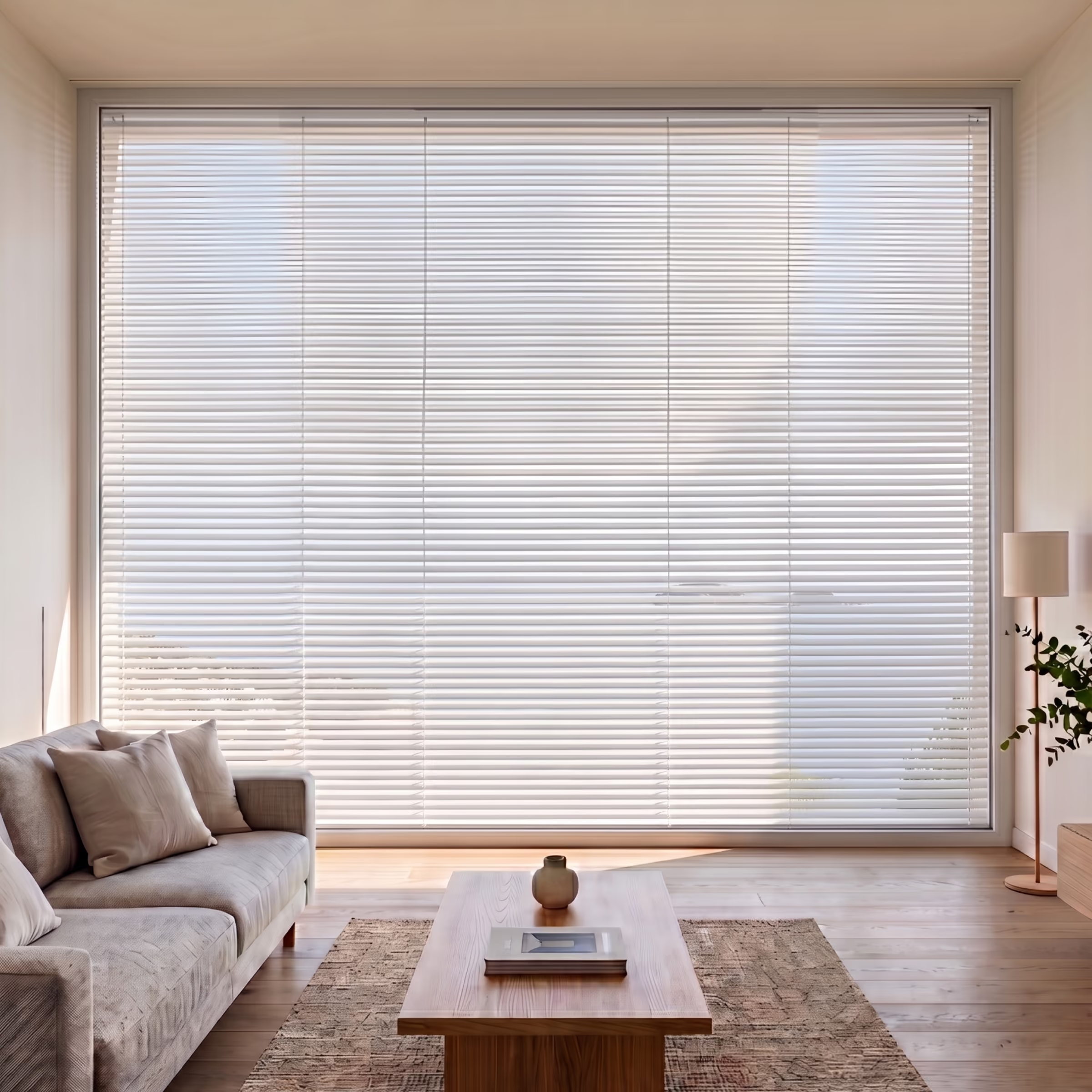
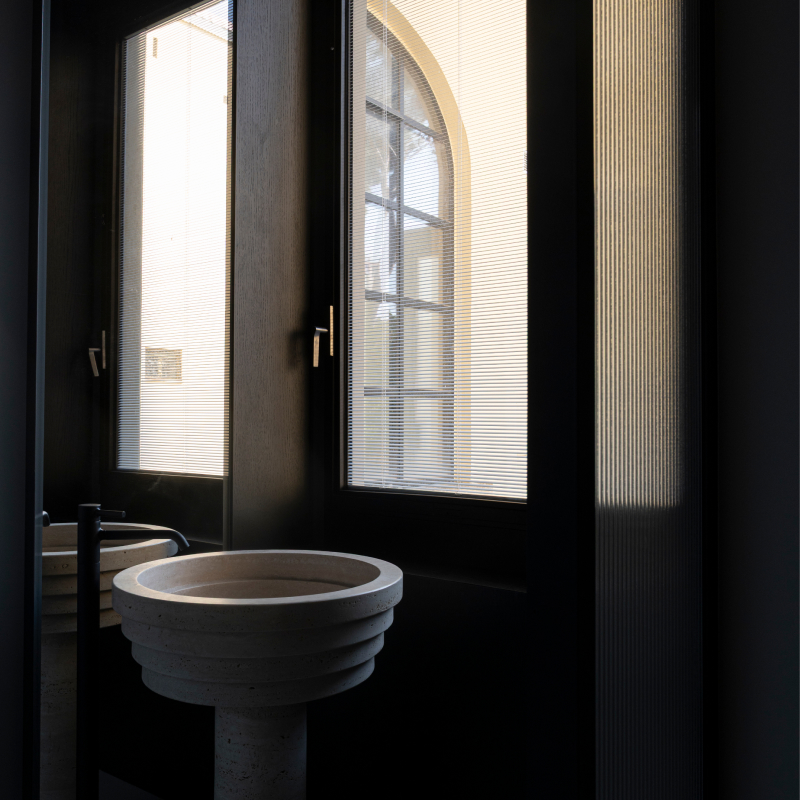
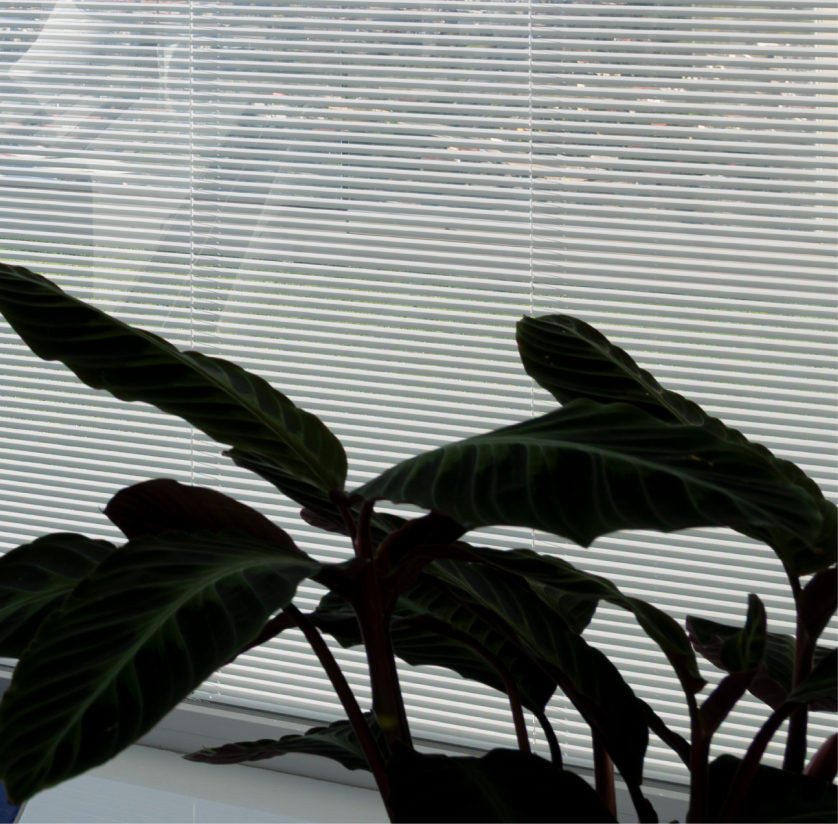
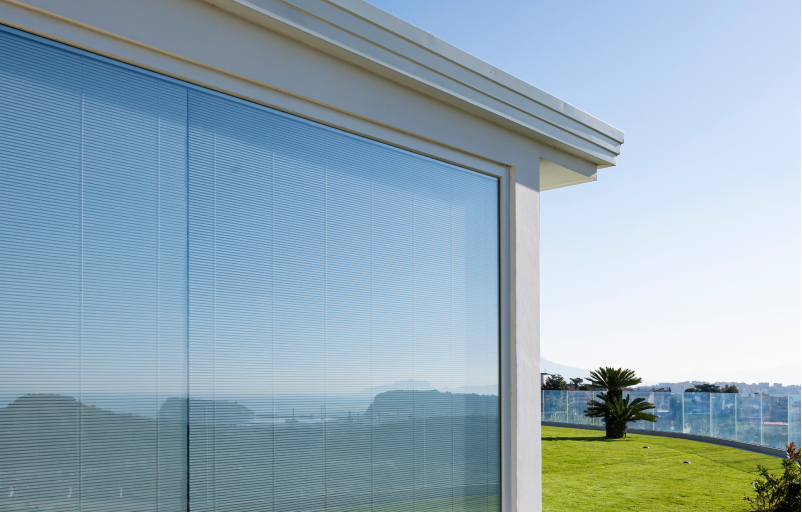
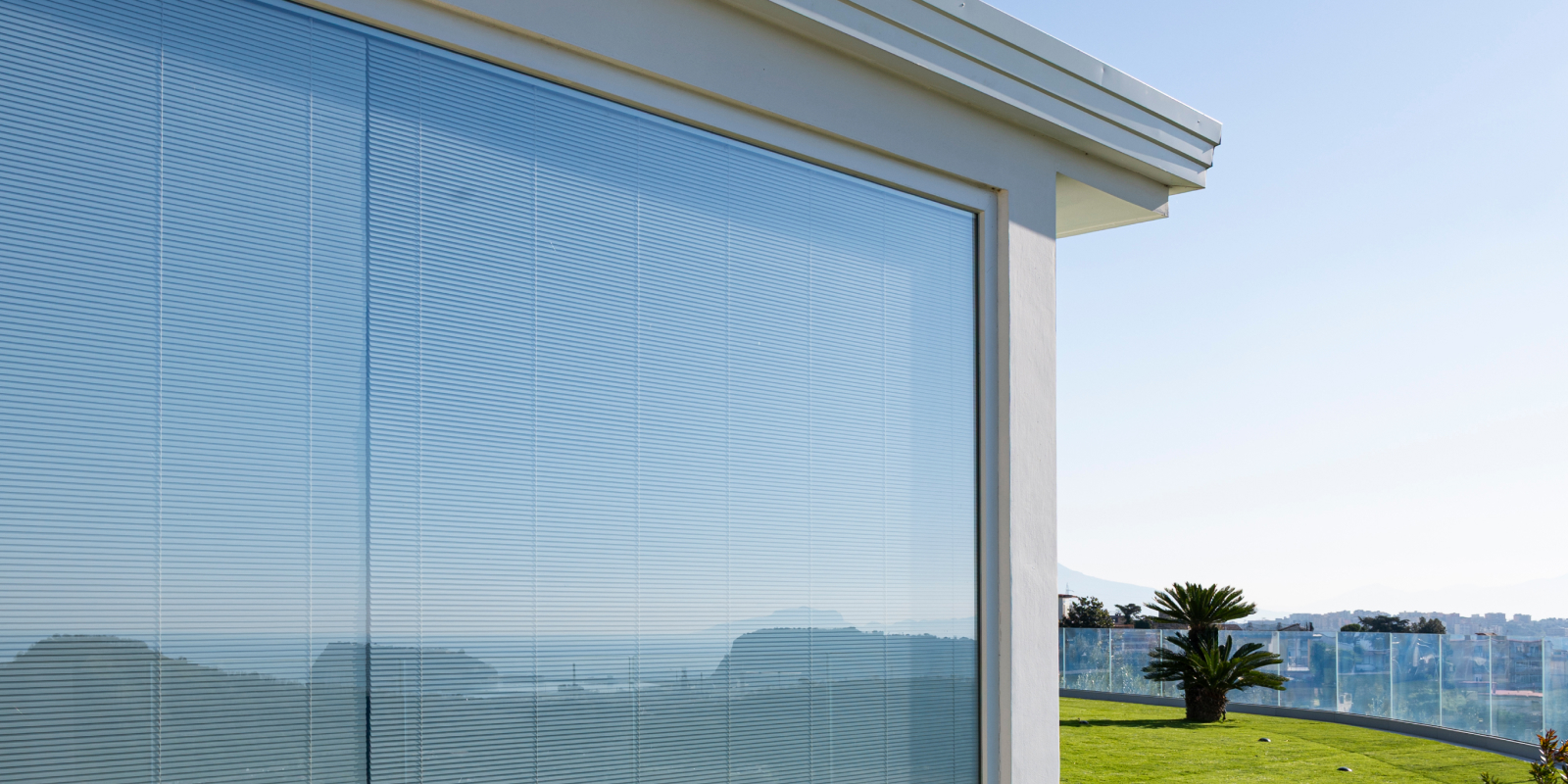
Venetian blinds offer unique flexibility thanks to the tilt of the slats. By adjusting their angle, you can block direct sunlight and views from the outside, while still allowing light to filter through and catching glimpses of the garden in the space between the slats.
A large window facing greenery risks turning a room into a greenhouse during the summer months. Shading positioned inside the insulating glass unit intercepts solar energy before it penetrates the living space, drastically reducing overheating.
Unlike traditional blinds or external systems that require protruding boxes, visible guides, or bulky curtains, integration within the insulating glass unit keeps the window frame completely clean, showcasing the view as if it were a painting.
Windows overlooking a garden are often exposed to wind, dust, pollen, and insects. With the shading sealed inside the glass, the mechanisms and fabrics do not get dirty and are not at risk of damage during bad weather.
Choosing the shade of your filtering screen changes how the view of the greenery appears. Darker tones offer superior visual transparency toward the outside during the day, while lighter tones reflect more light, ensuring maximum interior brightness.
In winter, the bare garden lets in more light: the shading must be able to retract completely to take advantage of the sun's free thermal gain. In summer, conversely, it must modulate the foliage and intense summer radiation.
When the shading is fully raised, the light opening must remain clear. Horizon integrated systems ensure minimal bulk at the top of the insulating glass unit, so as not to "cut off" the tops of trees or the sky.
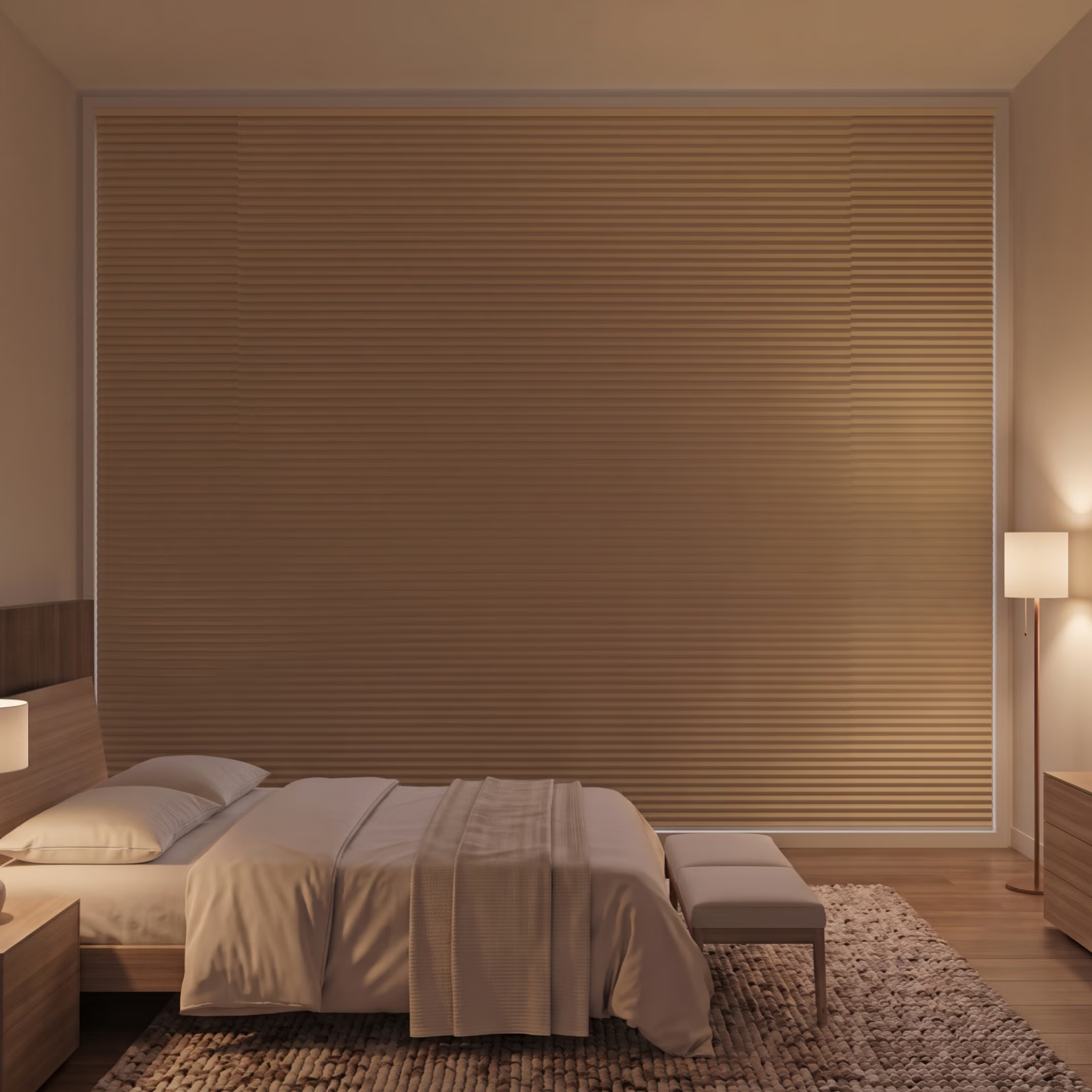
When evening falls and the garden is lit by outdoor spotlights, the effect is reversed: the inside of the house becomes visible. Being able to fully close the blinds or curtains with a simple gesture provides a total visual barrier for the night.
Synchronizing your shading systems with a solar clock or external light sensors allows your home to self-regulate: the blinds adjust automatically based on the sun's position over the garden, optimizing thermal comfort and energy efficiency at every hour of the day.